Last Pick, First Rate: What the Backup Spot Actually Teaches You About Performance
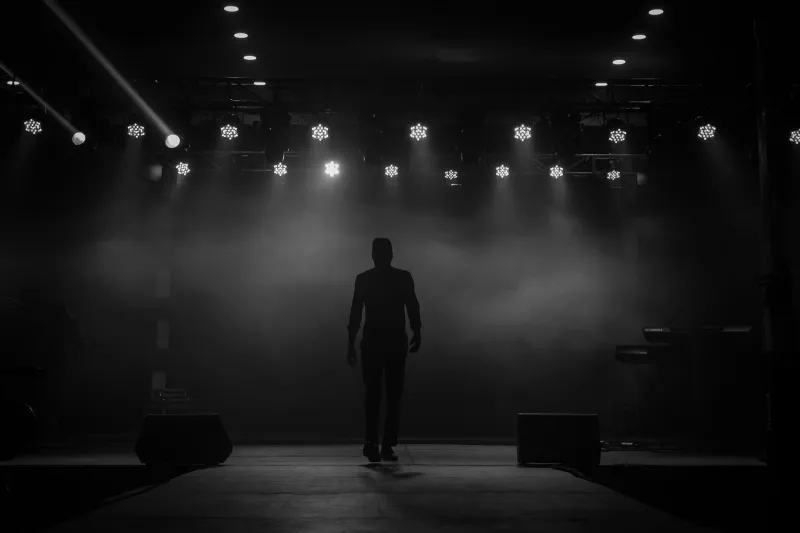
There's a particular kind of quiet that settles over you when you find out you didn't get the part — you got the other part. The backup. The alternate. The understudy. You're in the building, technically, but you're not exactly center stage. And depending on who you are and where you are in your career, that news can feel like a door closing.
Except sometimes it's not a door closing. Sometimes it's a gym you didn't know you needed to train in.
The Hunger That Comes With the Wait
There's a concept that athletes talk about a lot but performers don't always name directly — and that's the edge that comes from being overlooked. When you're handed the lead role, the headline slot, the primo booking right out of the gate, there's a ceiling on your hunger. You got what you came for. The urgency eases up, even just a little.
But the understudy? They don't have that luxury. Every rehearsal is a job interview. Every run-through is a chance to prove that whoever made the casting call got it wrong. That kind of low-grade, constant pressure doesn't break most serious artists — it sharpens them.
Think about what the backup position actually demands. You have to know your own material cold. You also have to know everyone else's material, because you might be called on to cover any number of roles at any moment. You're watching the lead performer from the wings, studying every choice they make, filing it away, figuring out what you'd do differently. That's not a passive experience. That's graduate-level observation happening in real time.
The Performers History Keeps Proving Right
Broadway history is full of stories where the understudy becomes the name people remember. Sutton Foster famously stepped in for Thoroughly Modern Millie during out-of-town tryouts when the original lead was replaced — and walked away with a Tony. She wasn't a last-minute hire who got lucky. She was someone who had spent years in the ensemble, watching, learning, waiting for a moment she wasn't sure was coming. When it did, she was so ready it looked effortless.
In the music world, the same dynamic plays out in bands where the rhythm section — the people who aren't singing the hook or playing the guitar solo — end up being the backbone that holds everything together. They're not the face of the outfit, but pull them out and the whole thing falls apart. That's not an accident. That's what happens when someone spends years doing the unglamorous, essential work without the validation of the spotlight.
Even in film, character actors who spent a decade doing small roles before landing something substantial often bring a texture to their performances that leads can't always match. They've had to make something out of nothing so many times that when they finally get something, they know exactly what to do with it.
What the Backup Spot Actually Builds
Let's be specific about what those years on the bench actually develop, because it's not just vague resilience. It's concrete craft.
Adaptability. When you're an understudy, you don't always get to rehearse with the full cast. You work around other people's schedules, fill in gaps, adjust on the fly. You learn to perform in conditions that aren't ideal — which, by the way, is almost every real-world performance condition. The stage is never exactly right. The sound is never perfect. The moment you can perform well anyway is the moment you've actually become a professional.
Observation skills. Watching the lead every single night while you wait for your shot forces you to develop a kind of analytical eye that most performers never cultivate. You start to see the difference between what looks good and what is good. You notice the small choices that separate a competent performance from a memorable one. That knowledge doesn't leave you when you step into the role yourself.
Emotional regulation. Sitting in the wings knowing you could do this — and not getting the chance — requires a level of emotional discipline that's genuinely hard to develop any other way. The performers who can hold onto that hunger without letting it curdle into bitterness are the ones who eventually use it as fuel instead of poison.
The Reframe That Changes Everything
Here's the thing about the understudy position that doesn't get said enough: the people in those roles aren't failures who almost made it. They're artists in a specific, demanding kind of training. The backup spot is hard to hold. It requires showing up fully, day after day, for a payoff that isn't guaranteed.
From where we sit at David Clovers, watching artists build careers over time, the through-line is pretty consistent. The performers who came up through the side door — who were second choice, or third, or who spent years in the ensemble before anyone noticed them — tend to have something the fast-track arrivals sometimes lack. They've been tested in ways that don't show up on a résumé but absolutely show up on stage.
They know what it feels like to want something and not have it handed to them. And that knowledge, more than almost anything else, shapes how they perform when the moment finally comes.
So If You're Sitting in That Spot Right Now
If you're the alternate, the backup, the one who got the call that starts with we'd love to have you involved, but — here's what's worth holding onto: the spot you're in is doing something to you. It's building a version of you that the person who got the lead role doesn't have access to.
That doesn't mean you stop trying to move up. It means you understand that where you are right now isn't wasted time. It's training. And the artists who treat it that way are the ones who, when their shot finally opens up, don't just take it — they own it.
The best performers in the room are often the ones who spent the most time watching from the wings. That's not consolation. That's just how the craft actually works.