When Two Worlds Collide: The Collaborations That Rewired David Clovers' Creative DNA
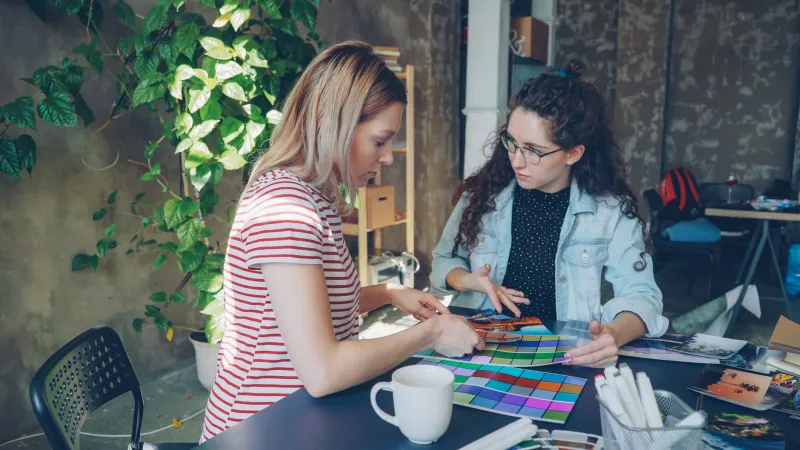
There's a particular kind of creative discomfort that only happens when you're working with someone else. It's not the frustration of a blank page or the anxiety of a looming deadline. It's something more personal — the moment when another artist looks at your work and says, quietly but honestly, what if we tried it this way instead?
For David Clovers, those moments haven't just been uncomfortable. They've been transformative.
Collaboration tends to get romanticized in the arts world. We love the idea of two brilliant minds meeting and immediately producing something magical. The reality is messier, slower, and — when it works — far more rewarding than any highlight reel version of it. The collaborations that have genuinely mattered in David's artistic life weren't always easy. But they were always worth it.
The First Real Collaboration: Unlearning the Solo Mindset
For a long time, David operated like most developing artists do — with a strong internal compass and a mild suspicion of anyone who tried to redirect it. There's a protective quality to early creative work. You guard it because it feels fragile, because you're still figuring out who you are as an artist, and because letting someone else in feels like a risk you're not sure you can afford.
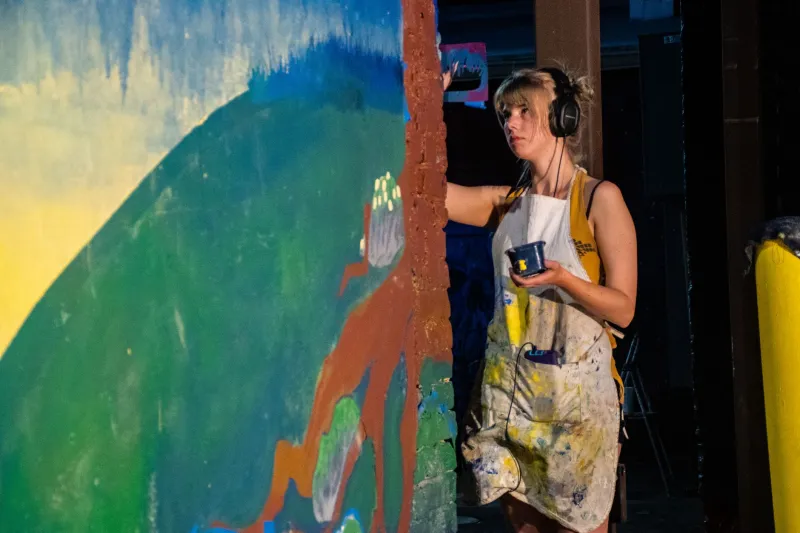
The first collaboration that genuinely cracked that open came from an unexpected place. Working alongside a visual artist whose process was almost entirely intuitive — no sketches, no plans, just material and instinct — forced David to loosen the grip on structure that had always felt like a strength. What looked like chaos from the outside turned out to have its own internal logic. And watching that logic produce something genuinely stunning made David question how much of his own process was discipline versus defensiveness.
That question didn't have a clean answer. But asking it changed everything.
Saying Yes Before Knowing Why
One of the patterns that shows up consistently across David's collaborative history is the willingness to say yes before fully understanding what's being asked. Not recklessly — but with the recognition that the most interesting creative invitations often come without a clear roadmap attached.
A collaboration with a spoken word performer a few years back is a good example. On paper, it didn't make obvious sense. The tonal registers were different, the audiences barely overlapped, and the working styles required serious negotiation. But the friction produced something genuinely surprising — a piece that neither artist would have arrived at independently, one that ended up resonating with people who'd never engaged with either of their individual work before.
That's the part that doesn't get talked about enough: great collaboration doesn't just expand what you make. It expands who finds you.
Learning to Listen as a Creative Skill
If there's one thing that collaborative work has drilled into David's process, it's that listening is not a passive activity. In a solo creative practice, you can get away with a kind of internal monologue — you're the only voice in the room, so being a good listener to yourself is enough. The moment you add another artist to the equation, that changes fast.
Working with a choreographer on a performance piece a couple of years ago was a masterclass in this. Dance and movement have their own language, their own grammar, and their own sense of time. Coming into that collaboration without fluency in that language meant David had to learn how to receive information in an entirely new form — not through words or concepts, but through the body, through space, through the specific way someone moves across a floor.
It was humbling in the best possible way. And it fed directly back into David's work in ways that are hard to trace but impossible to miss.
The Collaboration That Almost Didn't Happen
Not every creative partnership starts with enthusiasm. One of the most significant collaborative relationships in David's recent history began with real skepticism — on both sides. The other artist had a reputation for being particular about process. David had his own set of non-negotiables. For a while, it looked like the project would fall apart before it really began.
What saved it was a conversation that had nothing to do with the work itself. Just two people talking honestly about what they were afraid of, what they needed, and what they were willing to let go of. It sounds simple. It's actually rare.
The project that came out of that process is among the work David is most proud of. Not because it was the flashiest or the most widely seen, but because it required genuine compromise — not the kind where both people feel vaguely dissatisfied, but the kind where both people end up somewhere they couldn't have imagined reaching alone.
What Collaboration Actually Teaches You About Yourself
Here's the thing that nobody tells you going in: collaboration is one of the most efficient mirrors an artist can hold up to their own practice. When you're working solo, your blind spots stay invisible. Another creative voice — especially one that operates differently from yours — has a way of illuminating exactly the places you've been avoiding.
David has walked away from nearly every significant collaboration with a clearer sense of his own instincts, his own defaults, and his own areas for growth. Sometimes that clarity is flattering. Sometimes it isn't. Either way, it's useful.
The creative territory that collaborative work has opened up — new forms, new audiences, new questions — has shaped David's solo practice in ways that are permanent. The influences don't wash out when the project ends. They become part of the foundation.
If there's a piece of advice worth pulling from all of this, it's straightforward: find artists who make you slightly nervous, and say yes to the conversation. See where it goes. You probably won't end up where you expected. That's exactly the point.